




History & Description
The scientific name for milk thistle is Silybum marianum. It has many other names including lady’s thistle, St Mary’s thistle, holy thistle and variegated artichoke.The medicinal compound in milk thistle is silymarin, an extract of milk thistle seeds. It is an antioxidant that protects against cell damage. Silymarin contains at least 4 major compounds, including silybin (the most active), isosilybin, silychristin, and silydianin. Most research has studied silymarin or its major compound silybin.
Historical Use
Milk thistle has long been used in Europe as a food. De-spined leaves were used in salads, while stalks, roots and flowers were cooked. Seeds were used as coffee substitute. It has been used as a medicine for over 2,000 years as milk stimulant, for liver, kidney and spleen problems, for jaundice, gall stones, and menstrual pain.
Health Use
Milk thistle’s efficacy in shielding the liver from environmental toxins has contributed to its widespread adoption, with millions incorporating milk thistle into their routines to bolster healthy liver function. Data indicate that silymarin treatment correlated with reduced insulin resistance and decreased fasting insulin levels significantly.
Early lab studies suggest that silymarin and other active molecules in milk thistle may exhibit anti-cancer effects, including interfering with cancer cell division and reproduction, shortening cancer cell lifespan, and reducing the blood supply to tumors.
Milk thistle exhibits its hepatoprotective properties by 3 major mechanisms: an antioxidant, an anti-inflammatory, and an antifibrotic substance.The anti-inflammatory properties of milk thistle are attributable to its ability to regulate cytokines responsible for inducing inflammation.Milk thistle is also a purported galactogogue, and is included in some proprietary mixtures promoted to increase milk supply
Oral silymarin generally has few, if any, adverse effects and is well-tolerated even at higher doses. Milk thistle may prompt an allergic reaction in individuals sensitive to the Asteraceae/Compositae plant family (eg, ragweed, chrysanthemums, marigolds).
Additional information
| Size | 100g, 250g, 500g, 50g |
|---|
Add a Review
Be the first to review “Milk Thistle”
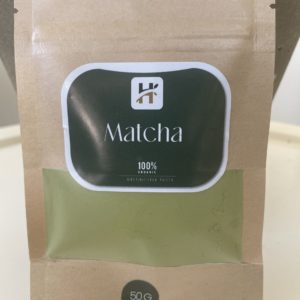
Matcha Powder
HerbsCommon Uses:
- Anti-oxidant
- Anti-inflammatory
- Anti-hyperglycemic
Reviews(0)
There are no reviews yet.