



History of Herb
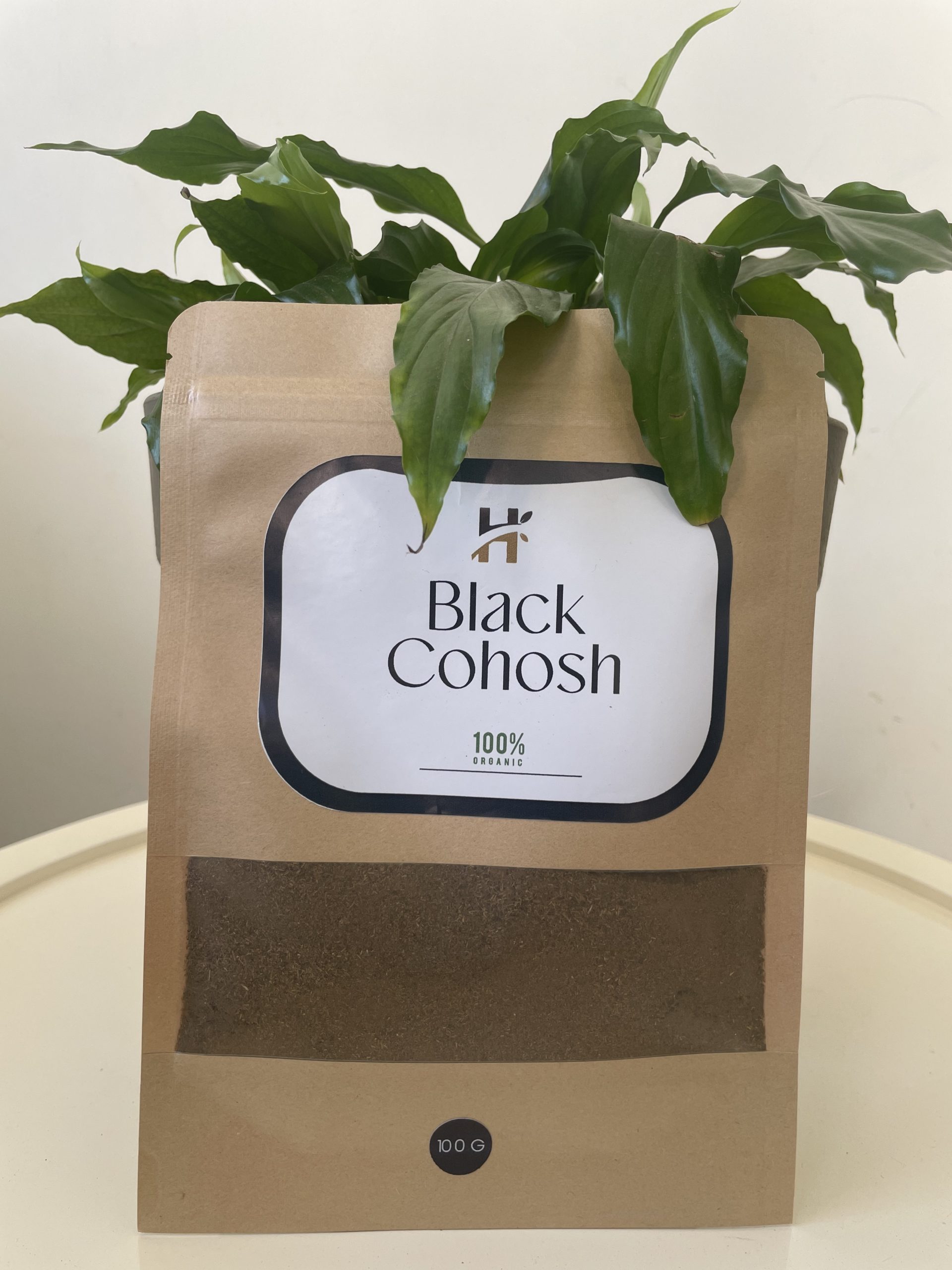
Black Cohosh I also known by its scientific name, Actaea racemosa.
The first medicinal use of black cohosh is generally attributed to Native Americans, who used black cohosh for the treatment of a variety of disorders, including conditions unique to women such as amenorrhea and menopause, rheumatism, kidney disorders, malaise, pain during menses and childbirth, musculoskeletal pain, fever, cough, pneumonia, sluggish labor, and menstrual irregularities.
In 1989, the German Commission E, an expert panel commissioned by the German government to address herbal products, approved black cohosh as a non-prescription medicine for the treatment of climacteric ailments such as hot flashes, heart palpitations, nervousness, vertigo, sleep disturbance, and depression
The World Health Organization (WHO, 2002) and the European Scientific Cooperative on Phytotherapy (2003) have also listed black cohosh for menopausal symptoms, in the treatment of chronic ovaritis, endometriosis, and menstrual derangements, such as amenorrhea, dysmenorrhea
Black Cohosh is one of the main herbs recommended in Germany for menopause, PMS and secondary amenorrhoea. In Europe, black cohosh is commonly prescribed as an alternative to hormone replacement therapy for menopause. Over the past decade or so, black cohosh also regained its popularity for alleviating menopausal symptoms in the United States. It is now found most frequently in dietary supplement and herbalist formulations for menopause, premenstrual syndrome, menstrual cramping, preparation for childbirth, and to a lesser extent, in products for rheumatoid arthritis and mild depression
Additional information
| Size | 100g, 250g, 500g, 50g |
|---|
Add a Review
Be the first to review “Black Cohosh”
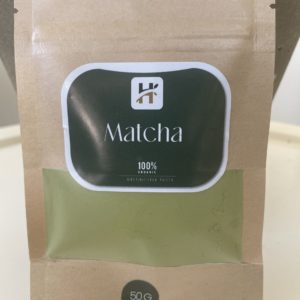
Matcha Powder
HerbsCommon Uses:
- Anti-oxidant
- Anti-inflammatory
- Anti-hyperglycemic
Reviews(0)
There are no reviews yet.